

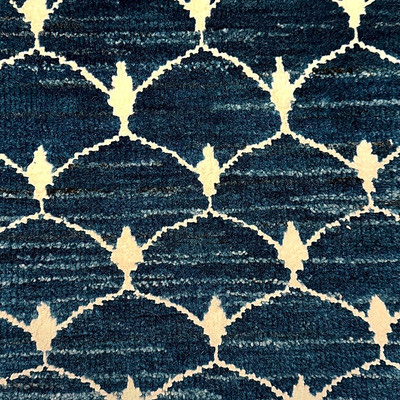
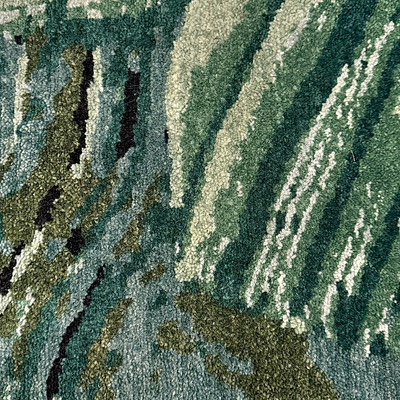
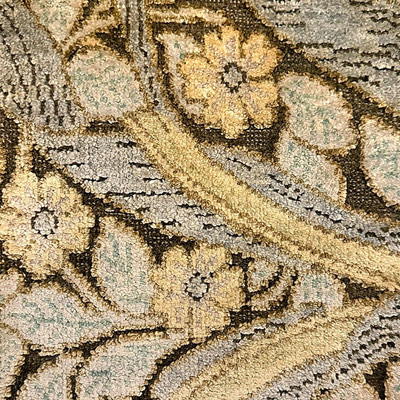
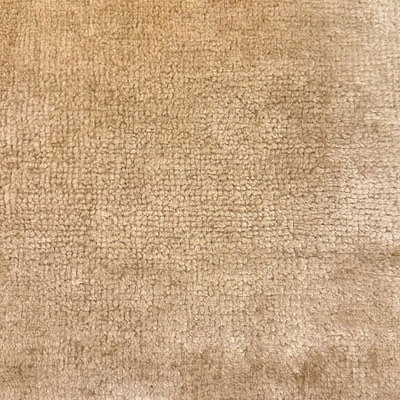
Counted, not described.
Knot density is the honest measure of a hand-knotted rug. Here are the numbers for every construction we weave, rather than an adjective.
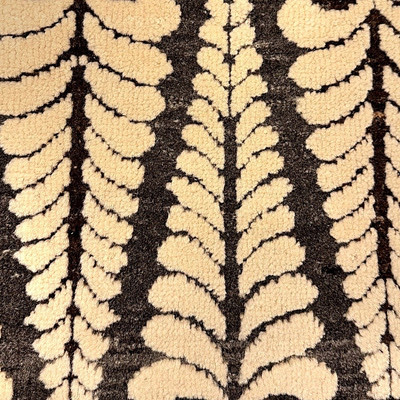
Persian knot
Our most-used technique, and the one that takes the finest drawing. Second strongest of the traditional knots.
- Technique
- Asymmetric knot
- Knots / sq in
- 9–225
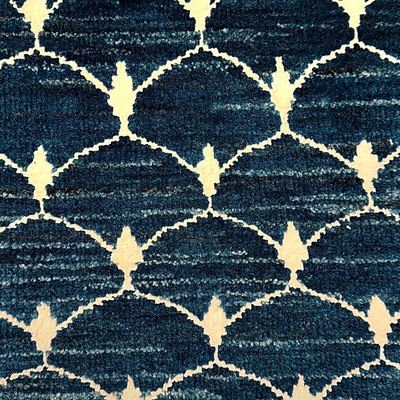
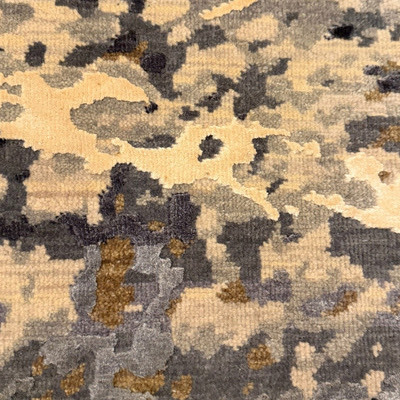
Tibetan knot
Yarn looped around a rod and cut, giving a soft, slightly irregular pile with a textured finish. Medium design intricacy.
- Technique
- Looped knot
- Knots / sq in
- 25–121
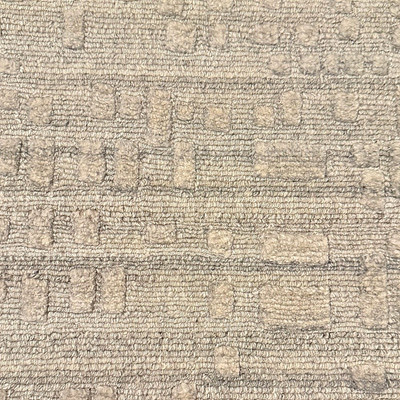
Turkish knot
Symmetrical construction with bold geometric definition. Higher durability, lower intricacy than the Persian knot.
- Technique
- Symmetrical knot
- Knots / sq in
- 9–64
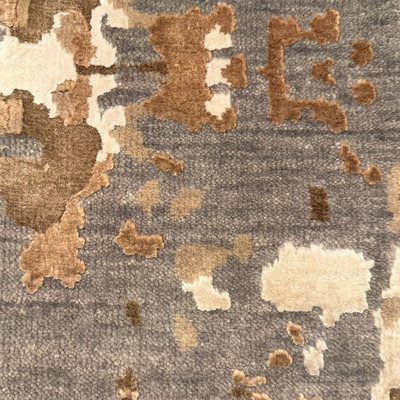
Hand tufted
Faster to produce and flexible in design execution. Takes both cut and loop pile textures in the same rug.
- Technique
- Tufting gun
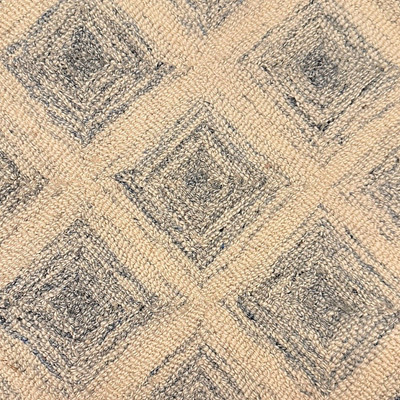
Dhurrie
No pile at all. Lightweight, reversible and graphic — the flattest, most architectural surface we make.
- Technique
- Flatweave
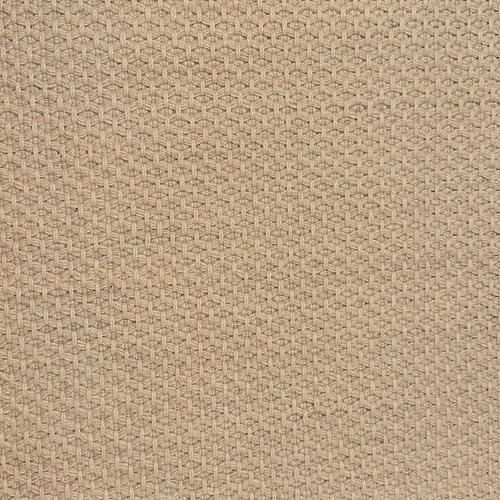
Sumac
A flatweave with wefts wrapped around the warp, giving a raised, embroidered-looking surface without a pile.
- Technique
- Wrapped weft
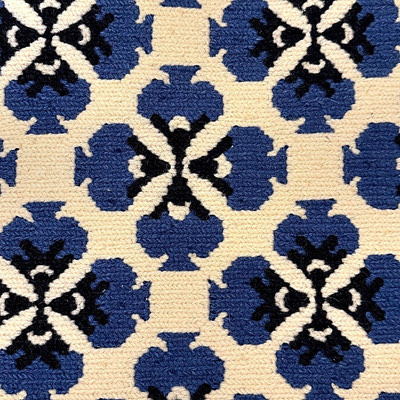
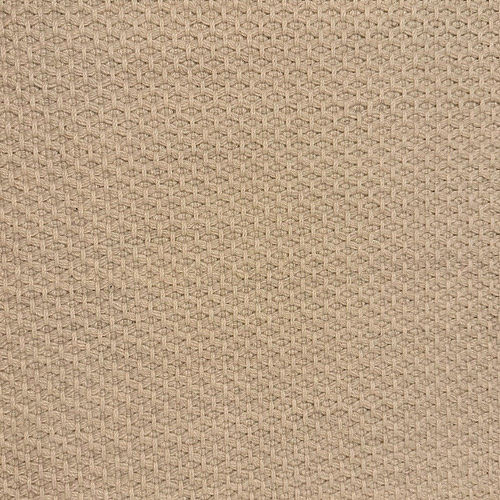
Handloom
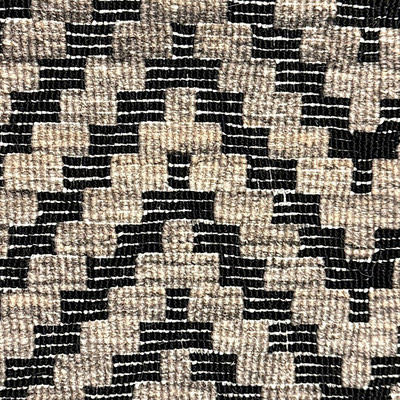
Woven on the loom rather than knotted. Clean, contemporary and hard-wearing, often in recycled fibre.
- Technique
- Loom-woven
Five steps, one contact.
Share the vision
Send the palette, moodboard, size or concept for the project.
Design development
We translate it into a rug design drawn for the space.
Sampling
We match colour and quality on a physical sample for your approval.
Artisan production
Made by hand by experienced weavers in India.
Delivery to site
We handle freight, customs and duties — it arrives landed and ready.
Start with a conversation, not a catalogue.
Tell us the room, the date and the palette. We will tell you honestly what is possible, including when it is not us.